Tag: #Felix Ekpe

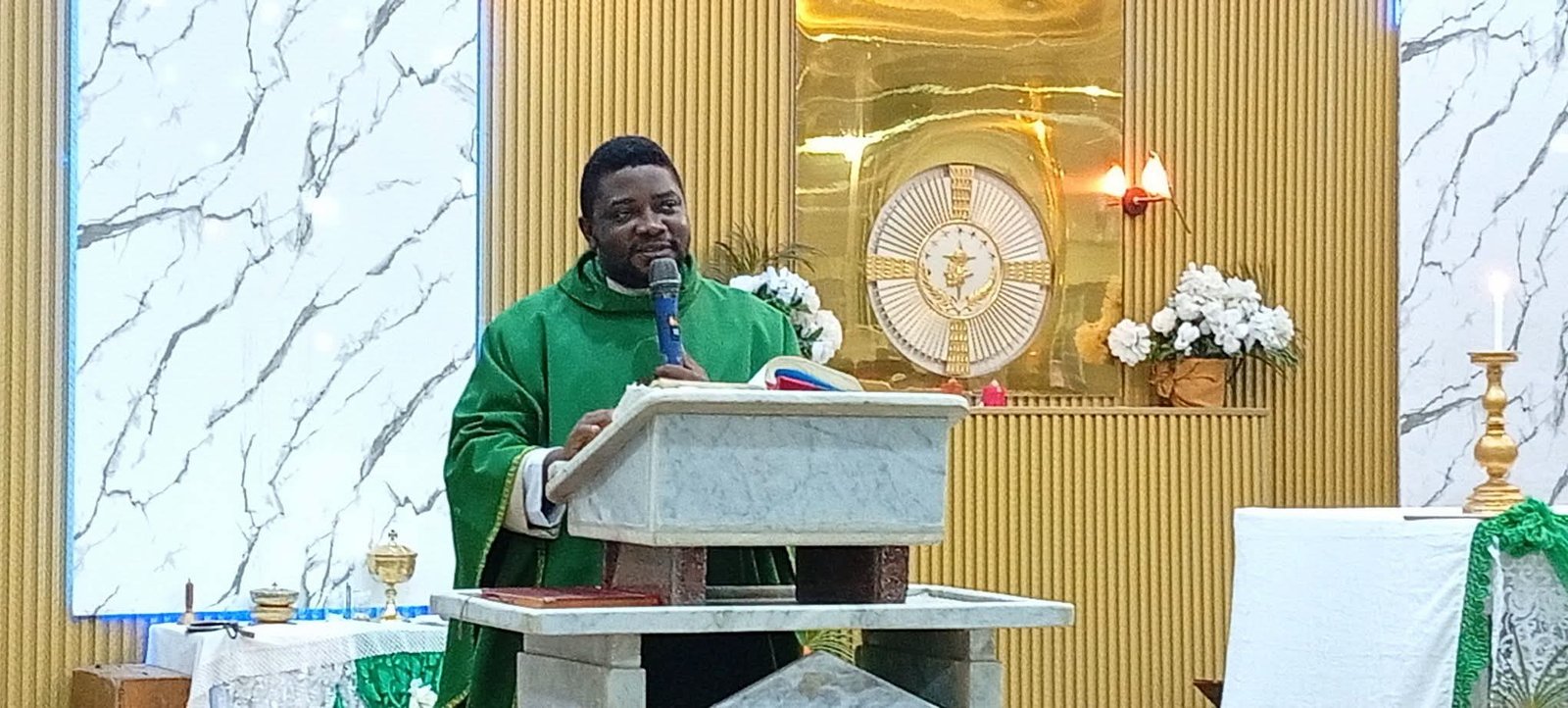
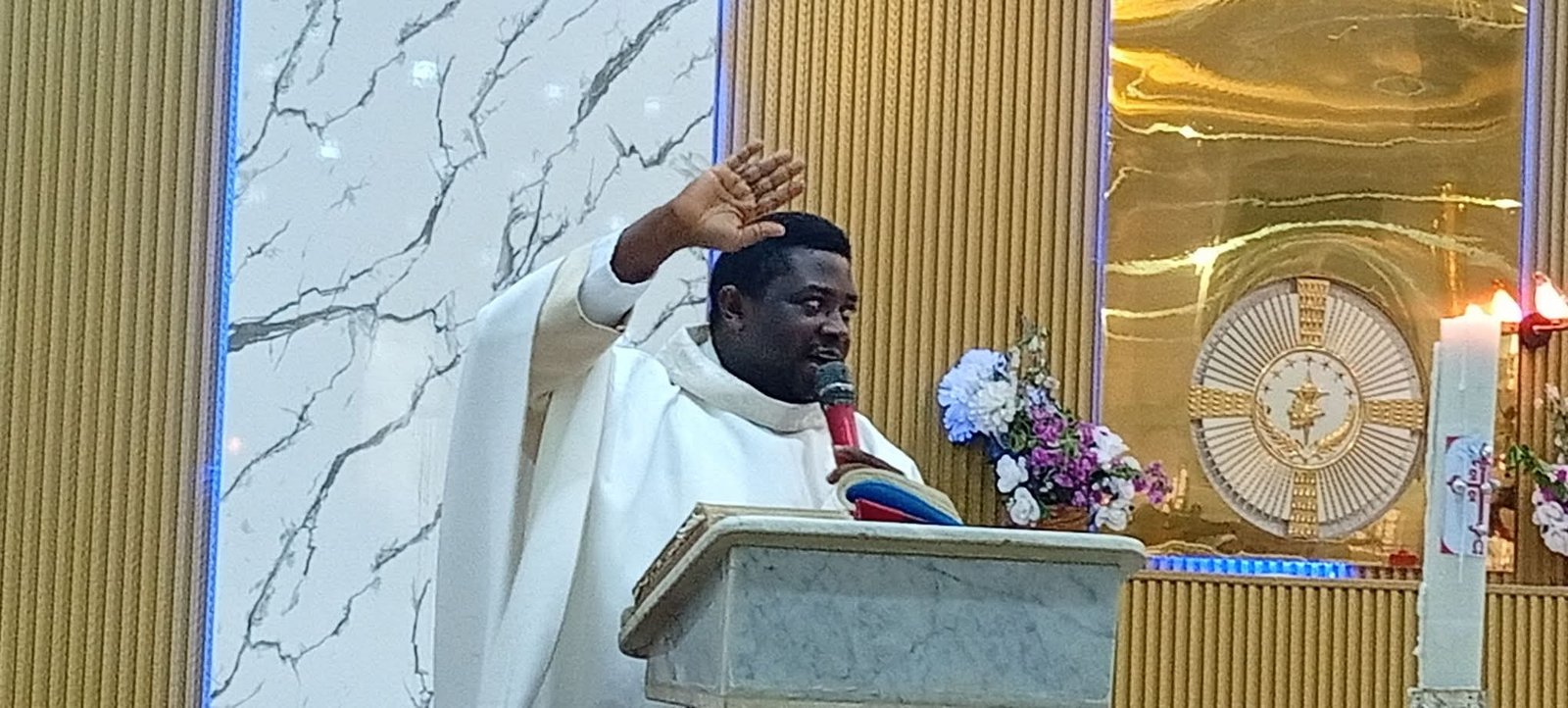
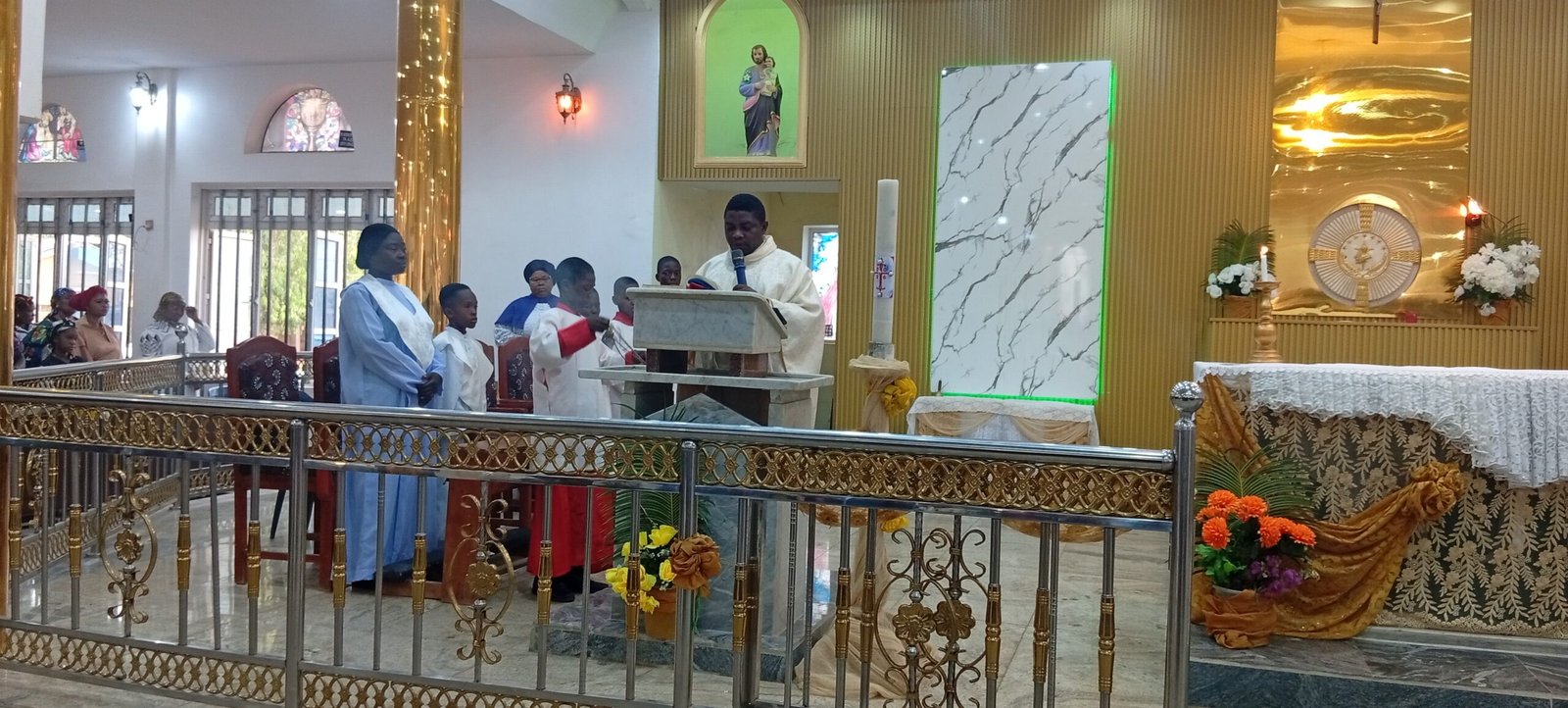
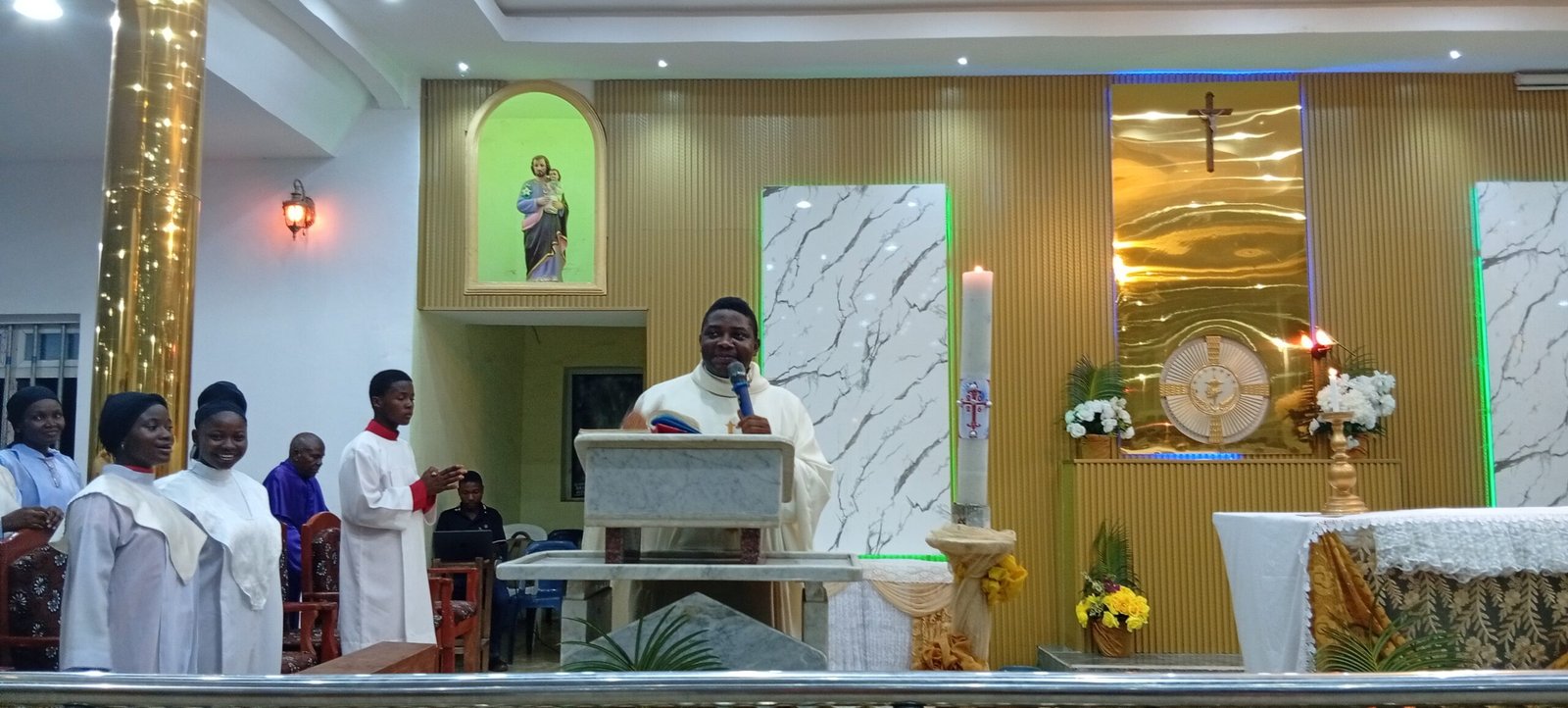
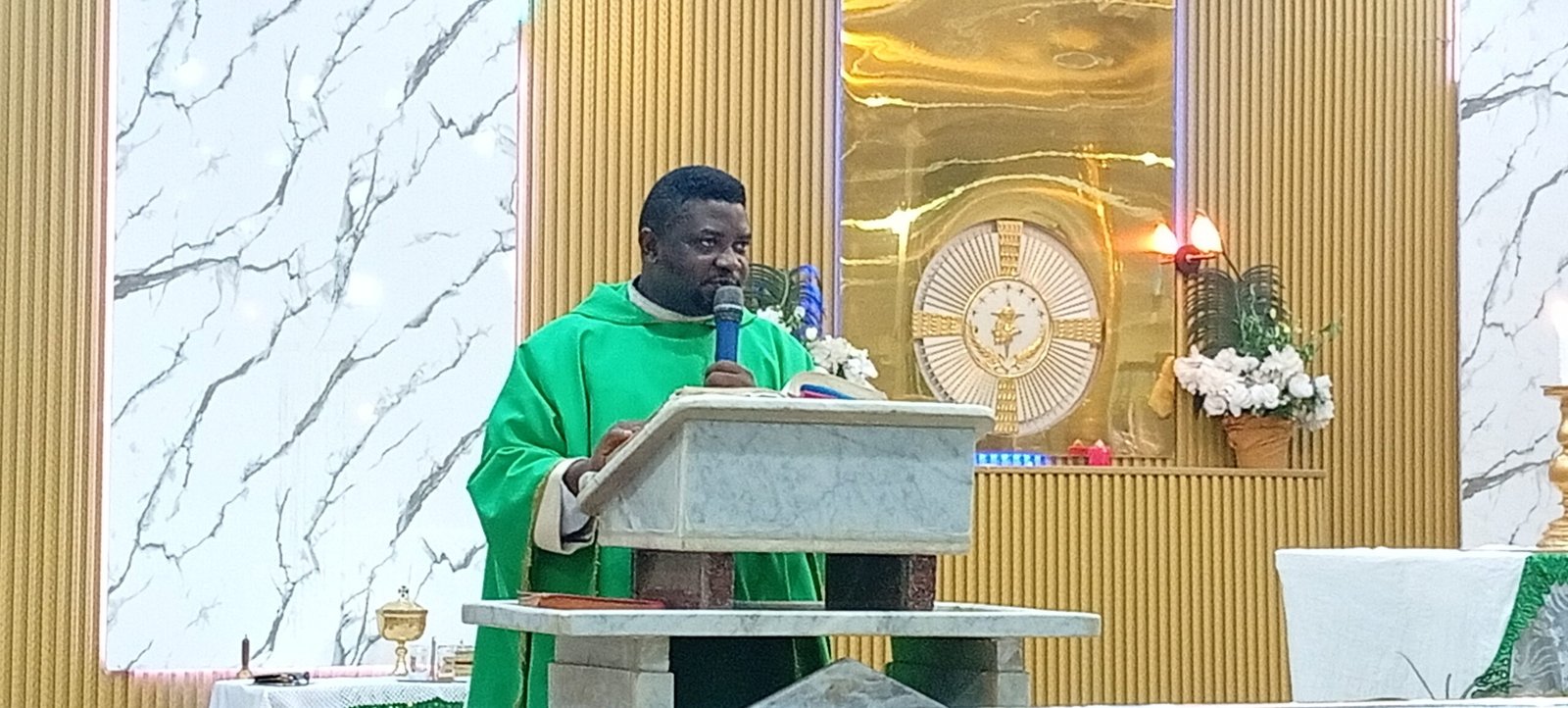
  • Take Up Your Cross And Follow Me Being A Sermon By Rev Fr Felix Ovai Ekpe

    Take Up Your Cross And Follow Me Being A Sermon By Rev Fr Felix Ovai Ekpe

    Compiled By Elijah Ugani 

    “If anyone would come after me, let him deny himself and take up his cross and follow me.” Matthew 16:24

    The Christian journey is a journey of self-denial, sacrifice, and following Christ. Jesus says, “Take up your cross and follow me.” Whoever wants to preserve his life will lose it, but whoever loses his life for Christ will find it.

    When we speak of losing our lives, it is not necessarily about physical death. Sometimes, it means losing our time, our resources, our comfort, and the things we hold dear for the sake of God and others. Whatever we willingly surrender for God, He is able to restore. But whatever we try desperately to preserve at the expense of our faith and purpose, we may eventually lose.

    Following Christ Requires Perseverance. Following Christ is not always easy.

    In the first reading, Jeremiah experienced rejection because he remained faithful to God’s word. He became a laughingstock among the people. Whenever he spoke, he faced opposition and ridicule.

    There are times when you sincerely want to do the right thing, yet people will reject you. There are times when your efforts to serve God will be misunderstood. The Christian journey involves opposition, difficulties, and tribulations.

    Yet Jeremiah spoke of a burning fire within him. That burning fire must remain alive in every Christian.

    When someone constantly complains about serving God, it may be a sign that the fire within is growing weak. When you feel like giving up because of tribulation, rejection, or disappointment, keep moving. Do not abandon God simply because following Him has become difficult.

    There must be a fire within you that keeps you going. Do Not Think Only According to Human Standards

    We must not think only according to human standards. We must allow God to renew our minds and transform the way we see life. This is why Jesus rebuked Peter and said: “Get behind me, Satan.”

    Peter loved Jesus, but his love was not yet aligned with God’s purpose. He wanted to prevent Jesus from passing through the cross. Sometimes, even those who love us can prevent us from fulfilling our purpose and destiny.

    Never allow anyone to love you to the point where you can no longer fulfil your God-given purpose. Allow Your Children to Experience Their Own Crosses

    Peter’s love for Jesus made him want to protect Jesus from suffering. In the same way, parents sometimes want to protect their children from every difficulty. Sometimes we prevent our children from passing through their own crosses.

    For example, Junior wakes up in the morning and refuses to greet an elder. Someone calls your attention to it, and you say, “Leave him; he is still a child.” That is not necessarily love.

    Children must be taught discipline, responsibility, respect, sacrifice, and perseverance. We must allow them to experience appropriate challenges that will help them grow. For you to move forward in life, you must stretch yourself.

    Many of us remember when we used to trek long distances to school. After school, we would return home and still follow our parents to the farm.

    Today, some parents carry their children to school, prepare their meals, put them in lunch bags, and make life as comfortable as possible for them.

    Comfort is good, but excessive comfort can prevent growth. Sometimes, the cross is what makes us stronger. Every Community and Family Has Its Cross

    What does God want from us? God wants us to worship Him in spirit and truth and to trust Him.

    Every community has its crosses. Every family has its crosses. Unemployment may be a cross. Poverty may be a cross. Misunderstanding within a family may be a cross. The presence of a cross does not mean that God has abandoned you.

    Rather, the way we carry our crosses can become an expression of our faith. Sacrifice Is Part of Christian Discipleship. Sacrifice is part of our Christian discipleship.

    Christianity is more than attending Mass. Christianity means giving ourselves in service to God and to humanity. A neighbour who forgives is offering a sacrifice. A Christian who chooses to love when it is difficult is offering a sacrifice.

    Someone who gives his time, resources, patience, and strength for the good of others is making himself a living sacrifice. Therefore, in whatever you do, be a living sacrifice.

    St. Paul tells us in the second reading to renew our minds. We must not conform ourselves to the things of the world. Instead, we must allow God to transform our minds so that we can understand and live according to His will.

    Even the Sabbath belongs to the Lord. It is not entirely ours. The next Sabbath is not even guaranteed to us; therefore, our time itself belongs to God.

    Let us therefore conform our minds not to the things of the world, but to the things of God. Let us choose what glorifies God. Let us remain faithful even when the journey becomes difficult. Let us carry our crosses with faith, knowing that Christ has gone before us.

    I pray for you that as you make sacrifices for God and for mankind, may God never forget you.

    I pray for you that as you set your minds on the things that glorify God, may God not forget you.

    I pray for you that as you struggle daily to follow Christ, may He never forget you.

    May He give you the grace to deny yourself, take up your cross, and follow Him faithfully.

    Through Christ our Lord.

    Amen.


    Disclaimer: The opinion expressed in this sermon are strictly that of the homilist, Rev Fr Felix Ovai Ekpe, and does not represent Theluminenews, agents or the organisation the homilist works for/with.

  • Who Is Jesus to You? A Sermon by Rev. Fr. Felix Ovai Ekpe

    Who Is Jesus to You? A Sermon by Rev. Fr. Felix Ovai Ekpe


    There are many questions and answers in today’s Gospel, but two questions stand out. The first is: “Who do people say that I am?” The disciples responded, “Some say John the Baptist; others say Elijah; still others say Jeremiah or one of the prophets.”

    Jesus did not stop there. He asked them a more personal and important question: “But who do you say that I am?” Simon Peter answered, “You are the Christ, the Son of the living God.” Peter was not a man without faults. He was the same Peter who would later deny Jesus three times. Yet, despite his weaknesses, Peter had a personal encounter with Jesus. He had reflected on who Jesus was, and his answer came from that personal conviction.

    This encounter between Jesus and His disciples took place at Caesarea Philippi. It was a moment of retreat, reflection, and self-discovery.

    Self-discovery is very important because it gives us mastery and awareness of who we are. When you know yourself, you are less likely to be defined by what other people say about you. When someone has undergone an operation in the hospital, that person may desperately crave water. Yet, if the person drinks water at that particular moment when the doctor has instructed otherwise, it could be dangerous or even fatal. The water itself is not bad. What matters is understanding the situation and knowing what is appropriate at that moment.

    That is why self-awareness is important. When you truly know who you are, someone cannot simply come and tell you something completely different about yourself and make you accept it. You know yourself. Self-discovery helps you understand where you are coming from and where you are going.

    “Who Do People Say That I Am?” Jesus first asked, “Who do people say that I am?” It is sometimes helpful to know how people perceive us. What do people say about us?What do people think about us? Occasionally, we should take time to find out how others experience us.

    Have you ever stopped to ask yourself: What do people say and think about me? There is a saying: “An entity without an identity is a nonentity.” You must have an identity.

    No one is a complete mirror of himself. Sometimes, we need the opinions of others to help us see things about ourselves that we may not see. However, we must also understand that people’s opinions are not always our reality.

    Sometimes you have goodwill, but people misunderstand you. Sometimes you are doing your very best, yet people still criticize you. Sometimes, no matter what you do, people will sit down and condemn you.
    But remember: their opinion is not necessarily your reality.

    How Do You See Other People? Jesus’ question also challenges us to examine how we see others. What do you say about other people? Some people only see others as opportunities to satisfy their own needs. They greet you only when they need something from you. You hear, “Calvary greetings!” But once you help them, all you receive is, “Thanks, seen.” We must ask ourselves: Is this how we treat people? What do you say about others? Are your words positive? Do you recognize the good in people, or is everything you say about them negative?

    Sometimes, a parish may receive one priest and complain. Another priest is sent, and they complain again. Another one comes, and the complaints continue. So, which priest do you actually want? The problem may not always be the person. Sometimes, the problem is the way we choose to see people. Always look for the good in others. Always try to see the good in people.

    And parents, speak well about your children. Stop constantly condemning your children.. The child you have condemned today may be the very child God has chosen to use to bless your family tomorrow. Instead of constantly condemning your children, pray for them. Encourage them. Speak life into them. And do the same for others.

    “But Who Do You Say That I Am?” The question Jesus asked His disciples is also addressed to us today: “Who do you say that I am?” This is not simply a question for the disciples. It is a question for every Christian. It is a question of faith, identity, and personal relationship. Each of us must be willing to give our own answer.

    The encounter between Jesus and His disciples was like a personal retreat. Jesus wanted His disciples to move beyond what they had heard from others and come to their own personal understanding of His identity and authority.

    We see something similar in the story of the two disciples on the road to Emmaus. Jesus walked with them, spoke with them, and explained the Scriptures to them, yet they did not recognize Him immediately. Sometimes, we too can be close to Jesus and still fail to recognize Him. That is why our personal encounter with Christ is so important.

    Your Answer Can Change Your Story. People said different things about Jesus. But Peter gave his own answer: “You are the Christ.” Immediately, Jesus responded by changing Peter’s identity: “You are Peter, and on this rock I will build my Church.”

    Peter recognized Jesus, and Jesus revealed something about Peter’s own identity. This teaches us something profound: the way you recognize Jesus can transform the way you understand yourself. When you recognize Jesus Christ as the Son of God, you begin to see yourself differently. When you acknowledge Him as Lord, He can rewrite your story. When you surrender your life to Him, He can give you a new identity. The person people have called a failure may become a testimony. The person people have rejected may become an instrument of blessing. The person people have condemned may become the one God uses to lift others.

    Today, Jesus is asking each one of us the same question He asked Peter: “Who do you say that I am?” Do not answer based only on what your parents told you. Do not answer merely because you grew up in the Church. Do not answer simply because everyone around you calls Him Lord. Have you encountered Him personally?

    The way you see Jesus will influence the way you live, the way you pray, the way you treat others, and the way you understand your own life. May we come to know Christ personally. May we recognize Him not only with our lips but also with our hearts and our lives. And as we recognize Him, may He rewrite our stories, transform our identities, and lead us into the purpose He has prepared for us.

    I pray for you today that the name by which Jesus calls you will be a name that brings magnification, blessing, and glory to you and to your family. May Jesus transform every negative story concerning your life into a testimony. May He give you a new identity, a new beginning, and a renewed sense of purpose.

    May you encounter Christ personally, know Him deeply, and follow Him faithfully. And may your life become a testimony of His goodness and grace.
    Through Christ our Lord. Amen.


    Disclaimer: The opinion expressed in this homily is strictly that of the homilist, Rev Fr Felix Ovai Ekpe and does not represent Theluminenews its agent or the organisation the author works for/with.

  • He Who Has Ears, Let Him Hear: The Patience of God. Being a Sermon by Fr Felix Ovai Ekpe 

    He Who Has Ears, Let Him Hear: The Patience of God. Being a Sermon by Fr Felix Ovai Ekpe 


    Patience is the ability to remain calm and thoughtful instead of reacting hastily to situations. A patient person does not respond to circumstances exactly as they appear but takes time to reflect before acting. Patience involves the grace of letting go, trusting God, and responding with wisdom rather than anger.

    God Himself is presented to us as patient and kind. In His great love, He has also given us the Holy Spirit to assist us and intercede for us in our weakness.

    In today’s First Reading from the Book of Wisdom, we are reminded that God’s wisdom guides us on our Christian journey. Although God is all-powerful and the just Judge of all, He governs us with mercy and gentleness. He possesses the power to do whatever He wills, yet He chooses to be patient with us.

    God teaches us that a righteous person must also be kind. Kindness means loving others, allowing them to coexist peacefully with us, and recognizing that not every issue needs to be escalated or turned into conflict.

    The Gospel beautifully illustrates God’s patience through the parable of the wheat and the weeds. A man sowed good seed in his field, but during the night an enemy sowed weeds among the wheat. When the servants suggested uprooting the weeds immediately, the master replied, “Let both grow together until the harvest.”

    This is a perfect example of God’s patience. Rather than destroying everything at once, He allows both the wheat and the weeds to grow together until the proper time. There can hardly be a greater demonstration of patience than this.

    Sadly, even within the Church, we are sometimes impatient with one another. Some people, after receiving a little responsibility, begin to lord it over others. The same happens in society. In some workplaces, a person with a small amount of authority can become more intimidating than even those above them. Sometimes, a gateman behaves as though he is more powerful than the owner of the house.

    In the Church, this should never be the case. Some people believe newcomers should be placed on probation before being accepted. But the House of God is a place of love, not suspicion. There is no probation in God’s family. We are all equal before Him, and there are no strangers in the Church.

    Once a person is registered in a parish and belongs to the Catholic family, they should be welcomed wherever they go. We must learn to be patient with one another and never discriminate against anyone.

    Our church wardens are rightly called Ministers of Hospitality. Hospitality means welcoming others with love and correcting them with gentleness whenever necessary. The Church is not a barracks and should never be militarized. Correction must always be done with love, respect, and compassion. The Church is a family, and as members of that family, we must avoid passing harsh judgment on one another.

    Whenever you see a stranger in church, welcome them warmly. If you notice something that needs improvement in the parish, do not simply complain. Go to the parish office, report it respectfully, and suggest ways it can be improved. If we recognize a problem but make no effort to help solve it, then we have not fulfilled our responsibility.

    Every member of the Church is important. Be proud to belong to God’s family. If we cannot find love in the House of God, where else shall we find it? Even in a beer parlour, a lonely or troubled person may find someone willing to listen, share a drink, and offer companionship. How much more should the Church be a place where people experience genuine love, care, and acceptance?

    The hidden face of God’s love is His patience, allowing both the wheat and the weeds to grow together until the harvest. We are called to imitate this divine patience in our daily lives.

    Wives, be patient with your husbands, for they too face many challenges. Husbands, be patient with your wives, who work tirelessly to care for the home and the children. Families flourish when patience and understanding prevail.

    If God were to treat us according to our sins, none of us would stand. Yet He continues to show us mercy and patience. Therefore, if God is patient with you, you must also be patient with your neighbour.

    Finally, we should also learn to communicate with one another. If you are sick and no one informs the priest, he may not know that you are in the hospital. It is unfair to expect him to know everything when he is responsible for caring for a parish of nearly two thousand people, including children. Let us work together, communicate openly, and support one another as members of one family in Christ.

    May God bless and keep you. May His face shine upon you, be gracious to you, and bless the work of your hands. Amen.

  • The Lord is My Shepherd, There Is Nothing I Shall Want Being A Sermon by Rev Fr Felix Ovai Ekpe

    The Lord is My Shepherd, There Is Nothing I Shall Want Being A Sermon by Rev Fr Felix Ovai Ekpe


    The Gospel today speaks about the Good Shepherd. Jesus says, “My sheep hear my voice; I know them, and they follow me.” Today, Christ goes before us as our Shepherd. The Psalmist reminds us that God is always ahead of us, guiding our path.

    Even in the darkest moments, even in the grave, God is there. One thing is certain: no matter the situation, the Shepherd never abandons His sheep. Truly, the Lord is our Shepherd; there is nothing we shall want.

    Fear often shapes many of our decisions. We are afraid of life, of the future, even of our vocation. Messages from social media can increase our anxiety. But today’s message is clear: do not be afraid. You are not alone; the Lord is with you.

    God does not promise that we will not pass through fire or the valley of death. But He assures us that in all circumstances, He will be with us. Peter and the other disciples went through many trials. Even Jesus Himself was subjected to suffering.

    We must also learn how to respond to our enemies. Do not pray for them to die. The Scripture says, “God will prepare a table before you in the presence of your enemies.” Sometimes, those we call enemies are closer than we think. If you pray for all your enemies to die, you may wake up and find your own loved ones missing.

    As parents and leaders, we too are shepherds. Life comes with many challenges and difficulties, but no matter what you face, trust that God will turn things around. There are moments when nothing you do seems to please anyone, do not be discouraged. God says, “Turn to me, and I will give you peace.”

    When life becomes confusing, listen to the voice of the Good Shepherd. Too often, we listen more to friends and social media than to God. Not everyone has the authority or wisdom to guide you, turn to God. Listen to the voice of the good shepherd.

    We live in a world where people can spend hours on YouTube, smiling and entertained, but cannot sit in church for even twenty minutes to listen to God. Some come to church only to find faults. Do not blame them completely; many were not raised in an atmosphere of love. They criticize and complain because that is what they have learned.

    Learn to forgive yourself so that others may have peace. If you carry bitterness, you will never experience true peace. Some people are unhappy and do not want others to be happy either, but that is not the way of Christ.

    Today is Vocation Sunday, and God calls us to repentance. When Peter preached, the people asked, “What must we do to be saved?” He told them: repent. Repentance, otherwise referred to as metanoia, is essential for salvation. It means a change of heart, a turning back to God.
    Always have a “reset button.” Learn to forgive yourself and others.

    Many people struggle to forgive themselves, and because of this, they cannot forgive others. This only makes life harder for everyone around them.

    Let go of hatred. Some people hold on to offenses and seek revenge, saying, “God will punish you,” or “I will get back at you.” But revenge is not the way. You may never even have the opportunity to take revenge. Instead, choose love. Let go of offenses and embrace peace.

    As a leader, you do not have to respond to everything. Sometimes, silence is wisdom. Imitate the Good Shepherd in all you do.

    Even in family life, practice peace. For example, when your spouse is upset and shouting, instead of reacting with anger, respond with calmness and love. A gentle response can bring immediate peace and end the conflict.

    In all things, listen to the voice of the Good Shepherd. Turn to Him, repent, forgive, and embrace His peace.

    Disclaimer: The opinion expressed here is strictly that of the author, Rev Fr Felix Ovai Ekpe, and does not represent Theluminenews, its agent or the organisation the author works for/with.

  • Ministry Of Education, Zonal Directorate Office Ogoj Holds 2026 Annual Thanksgiving

    Ministry Of Education, Zonal Directorate Office Ogoj Holds 2026 Annual Thanksgiving

    By Elijah Ugani 

    Staff under the Ogoja Zonal Directorate of Education, their counterparts in the Five Local Governments Education Authority in Northern Senatorial District as well as heads of public primary and secondary schools went to God in thanksgiving.

    The thanksgiving mass was held at Holy Trinity Parish Ogboja-Ogoja, today April 26th 2026.

    During the mass the Chief Celebrant and parish priest, the Very Rev Fr Felix Ovai Ekpe, charged teachers to be up and doing to save the educational system from collapse.

    Speaking on the theme of his reflection, Fr Ekpe noted that “As teachers, parents and leaders, you too are shepherds. The good shepherd shows and leads the way. You have to be resilient in your pursuit of the ideals.

    “I know there are times when you want to discipline or correct some of your pupils and students, some parents will want to come to your schools to confront you.

    “The rate at which most children and students alike have taken to drugs, alcohol (ice) and Yahoo Yohoo calls for concern.

    “Continue to be steadfast in whatever you are doing that is right. Be focused, at the end of the day, the society will be a better place for all of us”.

    He commended them for the efforts made in the past and wished them a happy celebration.

    Speaking during the thanksgiving mass, the Ogoja Zonal Coordinating Supervisory Directorator, Mrs Felicia Eweh, noted that “We have come here to mark our 2026 annual thanksgiving. We are grateful to God for keeping us alive and for all the things he has done for us.

    “On our part, we will continue to provide the leadership that is demanded of us. We cannot mould the children the way we desire without the help and support of their parents. We urge parents to rise to the occasion so that we can build a better society as the children we are training today will tomorrow be the ones to lead and direct our affairs”.

    Speaking with Theluminenews, the Principal of Government Technical College, Abakpa, Mr John Mobu, commended the CSD for her leadership style when he said “As the Chief host of this event, I happy that everyone is satisfied with the hosting as compared to what we had last year, where there were lots of complians. You can see that people ate and there is food left over.

    “When we started this planning, a lot of people doubted the capacity of the CSD. We raised funds, the CDS asked the various committees to bring their proposals and once that is done, she appropriates money and everything went seemlessly”.

    When asked what he will want the government to do to ease their job, Mr Mobu noted that “As the tenue of the CSD, Mrs Eweh comes to an end, we expect government to give us another CSD that will lead us with the fear of God in the footprint that Mrs Eweh has built”.

    Highlight of the thanksgiving was group photograph and reception held at Government Technical College, Abakpa Assembly Hall.


  • Rise And Shine, Jesus Is Alive: Being Easter Sunday Sermon by Rev Fr Felix Ekpe

    Rise And Shine, Jesus Is Alive: Being Easter Sunday Sermon by Rev Fr Felix Ekpe


    My dear friends, death is a great teacher, yet many of its students are either too afraid or too distracted to pay attention in its classroom.

    I once attended a funeral. Almost everyone looked frightened. People were eager for the burial to end; they could not wait for the grave to be covered. But after the burial, at the reception, everything changed people were eating, laughing, and celebrating as though nothing had happened. Then I asked myself: Is this how I will be forgotten when I die?

    That day, death taught me a powerful lesson, when we die, life goes on. People mourn, yes but often, they mourn not just the loss, but what they themselves have lost. For example, when parents die, some children cry not only because they loved them, but because they have lost their defenders and supporters.

    In today’s Gospel, even Saint Peter, a close companion of Jesus, denied Him three times. Lent is over, no more fasting, no more intense prayers. Many have already moved on. But not Mary Magdalene. She refused to move on like the others. She could not even sleep. Early in the morning, she went to the tomb in furtherance of the love she had for Jesus. What motivated her? What made her love Jesus so deeply? How Do We Love Jesus Like Mary Magdalene?

    First, we must truly believe that Jesus has risen from the dead. Anyone who does not believe in the Resurrection is simply wasting time in church. Many of us claim to believe, yet we still act as though everything is impossible. But with Jesus, what seems impossible becomes possible. No matter your situation, there is always a turning point.

    If we truly believe in the Resurrection, we should be filled with joy, not fear. Why are we still afraid? We stand before the One who conquered death and there is no need for us to be doubtful about the supremacy of Jesus in handling our situations.

    As the Psalmist says: “I shall not die, but live, and recount the goodness of the Lord.” Today is not a day for long speeches, it is a day for joy, dancing, and celebration. What began in sorrow has ended in victory.

    But what does it truly mean to rise with Christ? Some people mistakenly think that Jesus died to give us a license to sin. No! He took on our flesh so that we might understand how to live rightly. We must rise from evil and shine as the salt of the earth. Jesus taught that evil comes from within. Therefore, we must lift our thoughts from the grave of sin.

    As Scripture says in Colossians 3:2 “Set your minds on things above, not on earthly things.” Anyone who refuses to change their thinking has not truly risen with Christ. Living as Witnesses of the Resurrection.

    In today’s first reading, Saint Peter reminds us that we are witnesses to the Resurrection. But if we refuse to change our ways, we are no different from Peter who denied Jesus or Judas who betrayed Him.

    To make our belief real: Prioritize Jesus Christ over wealth. Do not “sell” Jesus for worldly gain, like the thirty pieces of silver. Avoid dishonesty and manipulation. Do not build your faith only on signs and wonders
    Choose righteousness over convenience

    May the God who conquered death on this glorious day dwell in us. May we, as witnesses of the Resurrection, find true peace in Christ our Lord.
    Amen.

    Compiled By Elijah Ugani

  • From Darkness To Light Being Easter vigil Sermon delivered by Rev Fr Felix Ovai Ekpe

    From Darkness To Light Being Easter vigil Sermon delivered by Rev Fr Felix Ovai Ekpe


    My dear brothers and sisters in Christ, Today is a very unique and sacred day. The day between Good Friday and Easter Sunday. A day of silence, a day of waiting, a day that carries both the weight of sorrow and the promise of joy.

    We began the Lenten season in a solemn mood through fasting, prayer, and almsgiving. It was a season that demanded sacrifice, discipline, and reflection. But tonight, everything changes. Tonight, we move from sorrow to joy because Christ is risen. At the beginning of this Vigil, we gathered in darkness. And then, a flame was lit. That flame is not just ordinary fire, it represents Christ, the Light of the world. A light that no darkness can overcome.

    As that light spread from one candle to another across the church, it became a powerful reminder: that even the smallest light can overcome great darkness. In our world today, there is darkness, in our leadership, in our communities, in our homes, and sometimes even within our hearts. But the message of tonight is clear: The fire of Easter must not be extinguished.
    That light must continue to burn in our lives, in our families, in our businesses, and in everything we do.

    The Easter candle itself speaks to us: The Flame (Light) Symbolizes Christ as the Light of the World. It represents hope, victory over darkness, and the Resurrection. As the light spreads through the church, it shows how Christ’s light spreads to all believers.

    The Cross on the Candle, represents the sacrifice of Jesus Christ. A reminder that through His death comes our salvation
    The Five Grains of Incense inserted into the candle in the form of a cross represent the five wounds of Christ (hands, feet, and side), which also symbolize His suffering and love for humanity.
    The Alpha and Omega. First and last letters of the Greek alphabet mean that Christ is the beginning and the end of all things.
    The Year Inscribed on the Candle
    Shows that Christ is present today, not just in the past.
    The Wax of the Candle represents the body of Christ as it melts, it symbolizes Christ giving Himself for us.

    Dear friends, no matter what situation you are facing, God always makes a way. We are reminded of the children of Israel at the Red Sea. They were trapped, fearful, confused, and uncertain. Before them was the sea, behind them was danger, but God showed up. Through Moses, He made a way where there was no way. The sea parted, and His people walked through on dry ground.

    If God has done it before, He will do it again. Sometimes in life, things may seem confusing. Sometimes the people around us may not understand us. Sometimes even those who laugh with us may secretly wish for our downfall. But tonight is not a night of fear. It is a night of victory.

    The Scripture tells us: “The stone that the builders rejected has become the cornerstone.” What was rejected has now become essential. What looked like defeat has become victory. So today, we rise with confidence and declare: I shall not die, but live, and proclaim the goodness of the Lord. And you too will live to recount His goodness in your life.

    Tonight, we bless water reminding us of our baptism. We are reminded that just as Christ died, we die to sin. And just as He rose again, we rise to new life. This is not just a ritual it is our identity. The bells ring again. The Alleluia returns.

    For a long time during Lent, we kept silent. But now, the Church bursts into joy: Alleluia! Christ is risen! The women went to the tomb looking for Jesus… But they were told: “He is not here. He is risen.”

    My brothers and sisters, this is the foundation of our faith. The Resurrection is the reason we are here. Without it, there is no Christianity. But because He lives, we have hope. Because He lives, we have victory. Because He lives, we have life.

    As we celebrate this Easter Vigil, let us carry the light of Christ wherever we go. Let us be bearers of truth in a world of falsehood. Let us be light in places of darkness. Let us be hope where there is despair. We are not people of defeat. We are an Alleluia people, people of joy, people of victory, people of the new covenant.

    May the light of Christ shine in your life. May every darkness around you be overcome. May God make a way for you where there seems to be no way.

    And may you win all your battles. In the name of the Father, and of the Son, and of the Holy Spirit.
    Amen.

    Disclaimer: The opinion expressed in this article is strictly that of the author, Rev Fr Felix Ovai Ekpe, and does not represent Theluminenews, its agent or the organisation the author works for/with.

  • The Man Called Jesus. A sermon Delivered By Rev Fr Felix Ovai Ekpe at Holy Trinity Parish, Ogboja-Ogoja

    The Man Called Jesus. A sermon Delivered By Rev Fr Felix Ovai Ekpe at Holy Trinity Parish, Ogboja-Ogoja


    Jesus said to the blind man, “Go and wash yourself and receive your sight.” The man obeyed, washed himself, and he received his sight.

    The identity of God is hidden in complete mystery. God cannot be fully understood by human beings. The more you try to understand Him completely, the more you realize how deep and beyond comprehension He is. God is the only one who can make the impossible possible. When human beings say something cannot be done, God can turn it around. He can transform nothing into something. He can take a rejected stone and make it the cornerstone. He can also transform a rejected family into an accepted and honored one.

    The same God who controls our lives healed the man who was born blind. When the miracle happened, many people gathered, including the Pharisees, and arguments began. The Jews did not believe the miracle. When the disciples asked Jesus, “Was this man born blind because of his sin or the sin of his parents?” Jesus answered that it was not because of sin, but so that the glory of God might be revealed through him.

    When you depend only on human beings, you will often be disappointed. But when you depend on God, you will find fulfillment.

    In the first reading, we hear about the sons of Jesse. At first, nobody paid attention to the one whom God had chosen. Yet there was a king in that house..When the prophet Samuel went to Jesse’s house, the first son appeared strong and impressive, and Samuel thought, “Surely the Lord’s anointed stands here.” But God told him, “This is not the one. Look further.”

    The Scriptures remind us. Man looks at the outward appearance, but God looks at the heart. All seven sons passed before Samuel, yet none of them was chosen. Samuel became confused and asked, “Are these all your sons?”. Jesse had forgotten about David, who was in the bush tending sheep. While David was in the wilderness, God was preparing him. It was in that bush that he learned courage and strength, which later enabled him to defeat Goliath.

    Sometimes God allows us to remain hidden so that we can prepare ourselves. Many young people today are in a hurry to reach the top of life. If you find yourself in a difficult or humble situation, stay there and prepare yourself. Do not rush. David prepared himself in the bush. Young people should use this period of their lives to prepare for the future, instead of moving from place to place searching for quick wealth.

    When David eventually became king, he wrote in Psalm 23: “The Lord is my shepherd; there is nothing I shall want.” He also said, “Even though I walk through the valley of the shadow of death, I will fear no evil.” David could say this because he knew that God had prepared him and had prepared a table before him in the presence of his enemies.

    It is only those who have enemies that God prepares a table for in their presence. David became a testimony of God’s mercy. He said, “You anoint my head with oil; my cup overflows.” God chose David and showed him great mercy.

    The Scriptures encourage us to come boldly into the presence of God. When you dwell in the house of the Lord, extraordinary things happen. David once said, “How can I live in a house of cedar while the Ark of the Lord remains in a tent? I will build a temple for the Lord.” But God told him that one of his sons would build the temple.

    David was forgotten in the bush. Your parents may forget you. Your brothers and sisters may forget you. Friends and society may forget you. But God will never forget you. Just as David was not forgotten by God, you too will not be forgotten.

    When it is your turn, protocols will change for you. When David finally came before Samuel, God said, “Arise and anoint him; this is the one.” David had been misjudged by his father and even by Samuel at first. Yet God chose him.

    May the Spirit that came upon David come upon you. And when the day comes for God to announce you to the world, it will not take two days.

  • From Thirst To Testimony. Being A Sermon By Rev Fr Felix Ovia Ekpe At Holy Trinity Parish Ogboja-Ogoja

    From Thirst To Testimony. Being A Sermon By Rev Fr Felix Ovia Ekpe At Holy Trinity Parish Ogboja-Ogoja


    My dear brothers and sisters in Christ,

    Today’s readings speak deeply about thirst. But the thirst we are talking about is not only the thirst for water. It is the deep hunger and longing within the human soul. Those who truly desire a testimony must be willing to listen to the Word of God.

    In the first reading, the children of Israel found themselves in the desert without water. Their thirst became unbearable, and they began to complain against Moses. They said. “Why did you bring us out of Egypt to die here in the wilderness?”

    In that moment, they forgot how God had miraculously delivered them from Egypt. They forgot His power and His faithfulness. Moses cried out to God in distress. “What shall I do with these people? They are almost ready to stone me.” Their stubbornness and lack of trust became a problem even for Moses. Their attitude of disbelief ultimately contributed to Moses not entering the Promised Land.

    You can stay without food for a long time, but you cannot stay without water. However, the thirst we speak about today goes beyond physical water. It is the deep craving in the human heart, the longing for something that will make life complete.

    Many people try to satisfy this thirst with different things: Material possessions, relationships, pleasure, alcohol, food. But none of these things can truly satisfy the emptiness in the human heart. You may drink alcohol, but once the effect fades, you return to the same emptiness. Material things cannot guarantee lasting peace.

    In the Gospel, Jesus meets the Samaritan woman at the well. This woman believed that her fulfillment would come through relationships with men. She had five husbands and was living with another man who was not her husband. Yet she still lacked fulfillment. She came to the well at a time when no one else was there perhaps to avoid judgment, shame, or embarrassment. The jar she carried was symbolic of the burden and emptiness she carried in her life. But that day, she encountered Jesus.

    Jesus offered her something greater than ordinary water. He said:
    Whoever drinks the water that I give will never thirst again. This was the living water, the grace, peace, and fulfillment that only God can give.

    Many of us think our identity or validation must come from other people. Some think they can only become what God wants them to be through another person. But God has given each person a unique gift and purpose. There is something inside you that God has placed there, a calling, a mission, a purpose that no one else can fulfill.

    After her encounter with Jesus, the Samaritan woman experienced transformation. She left her water jar behind and ran back to the town to tell others about Jesus. From her test, she received her testimony. The woman who once hid from people became an evangelizer. She became a witness to the Gospel. Perhaps she could not find fulfillment in marriage because God had prepared her for something greater, to become a messenger of the Good News.

    Human beings constantly desire more. When we pray for something and receive it, very soon we begin praying for the next thing. This shows that material things cannot satisfy our deepest desires. Our true satisfaction can only come from our Master, Jesus Christ. No living thing can survive without it. Even industries cannot operate without water. Many conflicts in parts of the world, especially in the Middle East, are connected to access to water. But even more important is the spiritual thirst of the human soul.

    The Psalmist says, “My soul thirsts for God.” Like the Samaritan woman, we too must cry out, “Lord, give me this water, so that I will not thirst again.”

    Sometimes when life does not go the way we expect, we become restless and thirsty inside. In those moments, do not turn to temporary solutions.

    Only God can quench the thirst of the human soul. When Jesus satisfied the Samaritan woman’s thirst, she became a joyful witness to others.

    I pray for you today that God quench every thirst in your life. May He fill the emptiness in your heart. And may your struggles be transformed from thirst into testimonies.
    Amen.

    Compiled By Elijah Ugani

  • Fighting Sin And Temptation: The Fall Of Our First Parents And The Victory Of Jesus Being A Sermon Delivered By Fr Felix Ekpe

    Fighting Sin And Temptation: The Fall Of Our First Parents And The Victory Of Jesus Being A Sermon Delivered By Fr Felix Ekpe


    Today’s Gospel presents the story of Jesus’ victory over sin and temptation in Gospel according to Matthew. The first reading presents the fall of our first parents in the Book of Genesis.

    The victory of Jesus is our victory. In Him, we find strength to overcome. The fall of Adam and Eve teaches us how temptation works, the victory of Jesus teaches us how to conquer it.

    Likewise, Adam and Eve were created in God’s image and enjoyed His presence, yet they were targeted. Spiritual elevation often attracts spiritual opposition.

    Loneliness and Idleness: Temptation often comes in moments of isolation or spiritual carelessness. Adam drifted from God’s instruction. In the Second Book of Samuel, David fell into sin during a time of idleness. When we distance ourselves from God’s presence, we create room for temptation.

    Negative Company. Eve entered into conversation with the serpent, a company God never assigned to her. Wrong company can distort our thinking, normalize sin, lead us away from God.

    Negative Discussion. Temptation often begins with dialogue. The serpent engaged Eve in subtle conversation. The devil does not force sin immediately, he discusses it first.

    Deception Through Half-Truth “You shall not surely die.” The devil rarely presents total lies. He mixes truth with deception. He hides consequences and exaggerates pleasure. Today, sin is often rebranded: Prostitution becomes “hookup”, Immorality becomes “modern lifestyle” Pride becomes “self-expression” and Half-truths make sin look harmless.

    Seduction: Sin appeals to the eyes, the flesh and pride. Eve saw that the fruit was pleasing. Temptation often looks attractive before it becomes destructive. As warned in First Epistle of John, Lust of the flesh, lust of the eyes, pride of life, remains the devil’s tools.

    Consent to Sin: Temptation is not sin until we agree to it. The decisive moment is consent.
    Degeneration: Sin spreads. Eve ate and gave to Adam. Sin is contagious.

    Guilt and Shame: After sin comes shame. Instead of running to God, Adam and Eve hid. But this season calls us not to hide, but to seek mercy.

    Jesus’ Approach: Counter, Attack, Victory. Unlike Adam, Jesus resisted. When tempted to turn stones into bread, Jesus responded with Scripture: “Man shall not live by bread alone.” When tempted with pride, He refused to test God. When tempted with power and glory, He rejected worship of the devil.

    Jesus teaches us: Do not dialogue with temptation. Confront it with the Word. Stand firm. Even when the devil quoted Scripture, Jesus answered correctly. The devil knows the Bible, but he misuses it.

    The lessons from the temptation teaches us that: No One Is Above Temptation. If Jesus was tempted, no one is exempt.
    Temptation Often Comes at Great Heights
    Both Adam (in paradise) and Jesus (after fasting and divine affirmation) were tempted. The Book of Sirach teaches that, when you decide to serve the Lord, prepare for trials. No Place Is Free From Temptation, Garden, Wilderness, High mountain. Location does not remove temptation.

    Temptation Is Gradual: It does not happen suddenly. It follows a sequence: suggestion, delight, consent, sin, shame. Be watchful.

    The Devil Is Persistent. He left Jesus “for a time.” Temptation may return in different forms. The weapons against the Devil – Prayer, Fasting, The Word of God, Confession, Perseverance.

    Victory is possible. If Jesus overcame after forty days of fasting, we too can overcome by grace.

    The fall of Adam brought shame. The victory of Jesus brings restoration.
    Today, Jesus wants us not hide like Adam, but to run to God. I pray for you: When the devil comes looking for you, may he not find weakness, but find you soaked in prayer, strengthened by fasting, armed with the Word, and covered by grace.

    In Jesus, the victory is already won.

    Disclaimer: The opinion expressed in this article is strictly that of the author, Felix Ekpe, and does not represent Theluminenews, its agent or the organisation the author works for/with.