Author: News

  • Jarigbe Inspects Ongoing Constituency Projects in Ogoja

    Jarigbe Inspects Ongoing Constituency Projects in Ogoja


    By Team Jari Media

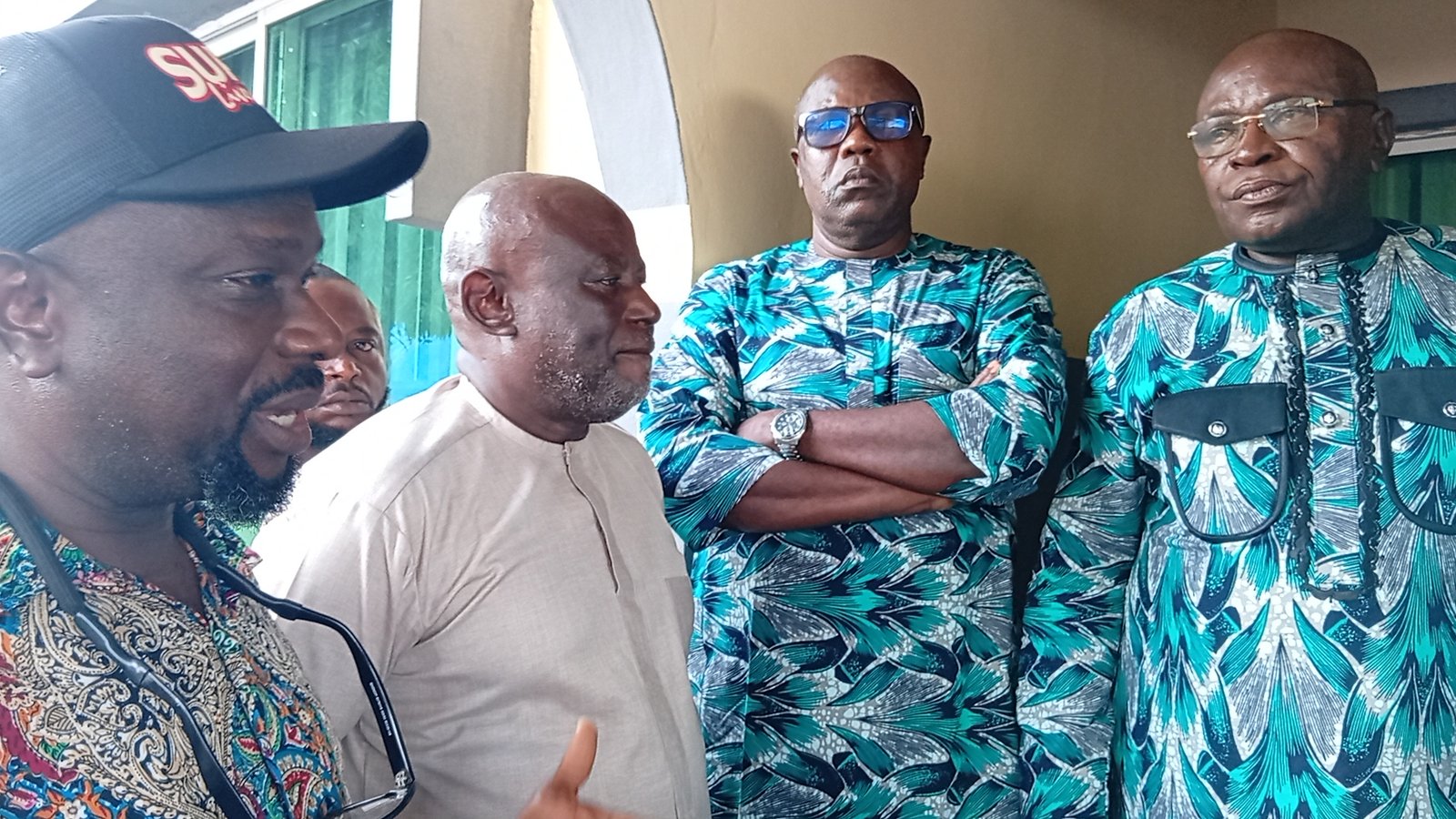
    The Senator representing Cross River North Senatorial District, Senator Jarigbe Agom Jarigbe, has commenced an inspection tour of ongoing constituency projects he facilitated across the district.

    The inspection tour began in Nkum-Irede Ward, Ogoja Local Government Area, where the Senator, represented by his Constituency Officer, Mr. Egar Mgbantul, visited the ongoing construction of the PTDF Technology Centre at Ibil Secondary School and the Recreational Centre in Ibil.

    During the inspection, Mgbantul assessed the progress of work at the project sites and commended the engineers, contractors and workers for the work completed so far.

    He, however, called on the contractors to sustain the pace of work and intensify efforts toward ensuring the timely completion of the projects.

    The Constituency Officer also stressed the importance of strict compliance with the approved project specifications, particularly the provisions of the Bill of Quantities (BoQ), while maintaining the required standards of workmanship and quality.

    According to him, the projects are intended to provide lasting benefits to residents of the benefiting communities. He therefore urged all stakeholders involved in their execution to prioritize quality, durability and value for money.

    Mgbantul further noted that upon completion, the projects are expected to contribute to infrastructure development as well as the social and economic advancement of the benefiting communities.

    The inspection is part of Senator Jarigbe Agom Jarigbe’s ongoing monitoring of constituency projects facilitated under his representation, with the stated objective of ensuring that projects are executed according to approved specifications and delivered for their intended purposes.

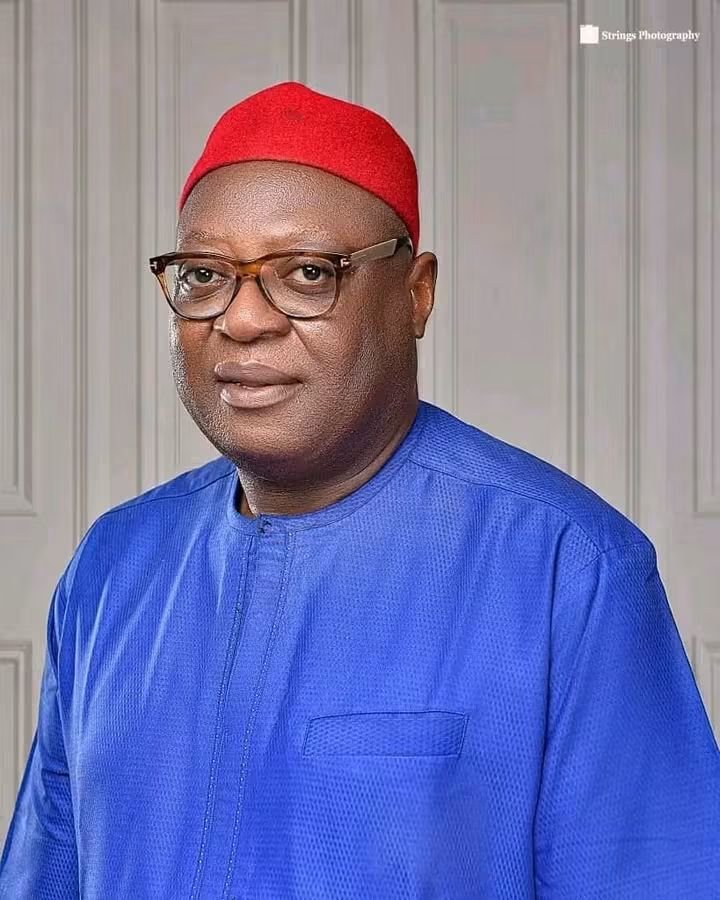
  • A Brief Citation of the PDP Presidential Candidate, Senator Prof Sandy O Onor

    A Brief Citation of the PDP Presidential Candidate, Senator Prof Sandy O Onor


    Senator Professor Sandy Ojang Onor occupies a rare space in Nigerian public life where scholarship and statecraft meet without conflict and “stands as a rare synthesis of intellect, statesmanship, integrity, and unwavering commitment to Nigeria’s progress.”

    Born on February 14, 1966, into a lineage immersed in communal values and cultural pride, his formative years laid the bedrock for a life steeped in intellectual pursuit, moral clarity, and an unwavering devotion to hard work and excellence (Imbua & Ochefu, 1).

    His early education began in 1971 at St. Martin’s Primary School, Ikom Town, Ikom, and later transited to St. Francis Primary School, Obubra, where he completed his primary education and earned the First School Leaving Certificate in 1975. His formative years also coincided with the post-war period, when Nigeria was grappling with the challenges of reconstruction, rehabilitation, and reconciliation.

    In 1976, he gained admission into the famous St. Brendan’s College, Iyamoyong, Obubra, a school revered for its academic rigour and committed teachers, which played a formative role in sharpening his intellect, refining his discipline, and introduced him to wider intellectual horizons. He obtained his West African School Certificate in 1981, distinguishing himself as a student of exceptional promise.

    Further phase of his academic journey began in 1983, when he was admitted into the prestigious Department of History and International Studies, University of Calabar, Calabar, where he came fully into his own as a scholar and an intellectual.

    He graduated in 1987 at the top of his class with a B.A. (Hons) in History, a feat that earned him automatic employment by the university as a Graduate Assistant-a privilege reserved for the institution’s most outstanding graduates (widely celebrated by senior historians in department, including Professors Okon Uya, Odey Erim, Geoffrey Uzoigwe, Monday Abasiattai, and Monday Noah).

    He later enrolled for a Master’s degree in History. However, his progress in the programme was so impressive that he was advanced to the Ph.D. after one year – a rare academic recognition of intellectual maturity and research competence. He completed his program in 1993 at the age of 27, “producing a thesis that remains one of the most methodologically sound and empirically grounded studies on the Ejagham people, spanning both Nigeria and Cameroon territories.”

    Senator Onor’s political odyssey began in earnest when he served Etung Local Government Area as Executive Chairman from 1999 to 2002, a tenure widely regarded and remembered as a golden era in the council’s history. His rise on the national stage was equally impactful when he served as Deputy National President and later Acting National President of the Association of Local Government of Nigeria (ALGON).

    After his tenure as Chairman of Etung, he went on to serve as the Cross River State Coordinator for the Obasanjo/Atiku re-election Campaign in 2003, before becoming the much-celebrated Director-General of the PDP Campaigns in the state.

    His passion for reform led to his appointment as a delegate to the 2005 National Political Reform Conference, where he made significant contributions to discussions on national integration and development.

    In 2019, the good people of Cross River Central Senatorial District sent him to the Red Chambers of the National Assembly, where he was sworn in on June 11, 2019. During his four-year tenure, he proved himself a legislator of substance and was unanimously pronounced the “Orator of the 9th Senate,” following a motion moved by Senator Ahmed Lawan, then President of the Senate.

    During his four-year tenure in the Senate, he proved himself to be a legislator of substance, sponsoring and championing several critical bills, most notably the Bill to Establish the Advanced Healthcare Development Fund, a testament to his vision for equitable and accessible modern healthcare in Nigeria.

    Through Zonal Intervention Projects, he brought infrastructure to communities to address the needs of his constituents and facilitated the employment of dozens of Cross Riverians in key federal institutions, including universities, the Nigerian Defence Academy, the National Drug Law Enforcement Agency (NDLEA), and the Police Academy, Wudil, among several other government institutions and agencies.

    In 2023, driven by a deep abiding love for his people, he offered himself for service as the People’s Democratic Party (PDP) Gubernatorial Candidate in Cross River State. “Though, he did not ascend to the governorship, he emerged with something far more enduring; the unshakable admiration and trust of his people, and a permanent place in the conscience of Cross River State.”

    Though known to many today as a distinguished politician, Senator Professor Sandy O. Onor’s truest and most enduring identity is that of a scholar; an academic historian of exceptional brilliance and distinction. As a historian, he carved an intellectual niche defined by originality, courage, rigour, and a relentless quest for historical veracity and academic integrity.

    Below is a reflective mapping of the substance and relevance of some of his major works:

    – The Ejagham Nation in the Cross River Region of Nigeria (1994; revised in 2016).

    – Local Governance in Nigeria: Evolution, Growth, Problems, and Solutions (2005).

    – The Leopard Touch: Historical Essays on the Ejagham of the Cross River Region of Nigeria (2018).

    – Foundations of Nigeria’s Unity (2021).

    – Leadership, Unity and Self-Determination in Cross River State: A Historical Perspective (2021).

    His intellectual impact is also evident in his collaborative works with Professor Dave Imbua and Dr. Patrick Odey, including the co-authored volume, A Companion to African History in the Nineteenth and Twentieth Centuries (2017).

    He has also edited and co-authored major volumes such as The Nigerian Civil War Narratives from Some Border Communities (2016) and The Man, His Forest and the Politics of Cross River State: Essays in Honour of James Oshuo Ewah (2018), partnering with eminent scholars such as Professor Donald Omagu and Professor Yakubu Ochefu.

    The chapters of his life already written are rich, instructive, and inspiring. Still, the pages ahead lie open, alive with promise and brimming with the possibility of even greater service.

    Caterpillar Movement Media

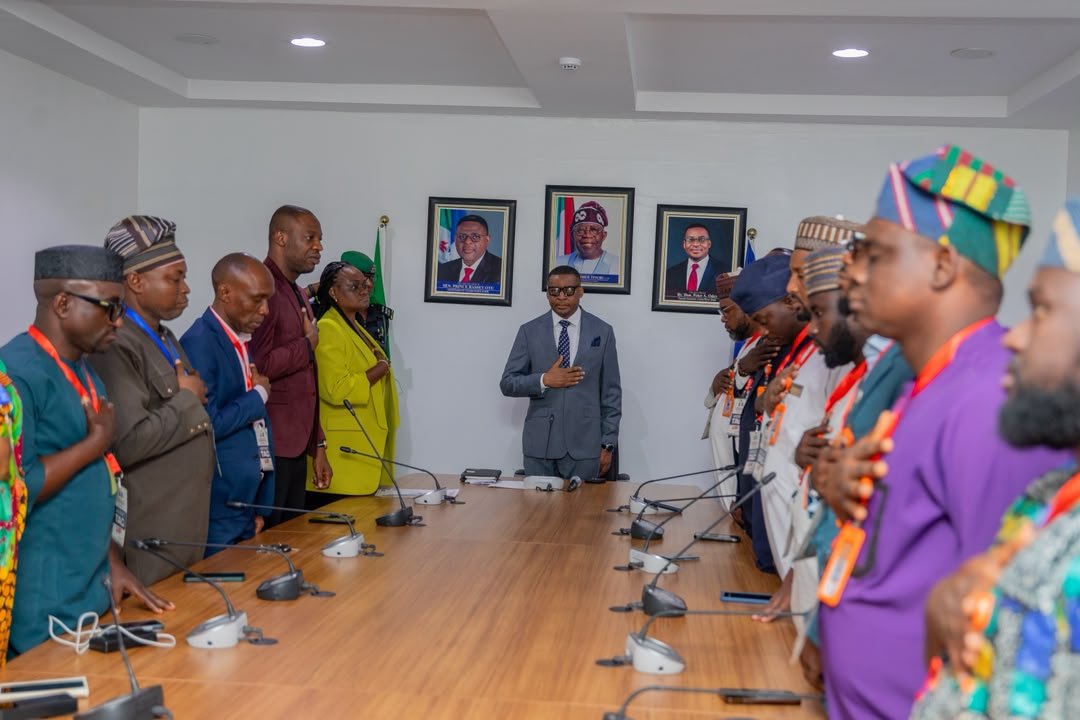
  • UNICAL VC Directs Health Centre Board to Submit Comprehensive Report on Challenges

    UNICAL VC Directs Health Centre Board to Submit Comprehensive Report on Challenges

    By Elijah Ugani 

    The Vice-Chancellor of the University of Calabar, Prof. Offiong Efanga Offiong, has directed the Management Board of the University Health Centre to submit a comprehensive report outlining the centre’s challenges, strategic needs and plans for improved healthcare delivery.

    The Vice-Chancellor gave the directive when members of the Health Centre Management Board paid a courtesy visit to the university management.

    Represented by the Deputy Vice-Chancellor (Academic), Prof. Ekaete Inyang Enang, the Vice-Chancellor welcomed the board members and commended them for supporting the administration’s commitment to the welfare of members of the university community, particularly students.

    He urged the board to prepare and submit a detailed official document outlining the Health Centre’s strategic plans, pressing needs and challenges, noting that the report would enable Management to make informed decisions and effectively address issues affecting the facility.

    The Vice-Chancellor assured the board that Management would continue to explore ways of addressing the challenges confronting the centre, including partnerships with relevant health agencies to strengthen medical services for staff and students.

    He also disclosed that remedial measures would be taken to improve the Health Centre ahead of the forthcoming Nigerian University Games Association (NUGA) games, which the University of Calabar is scheduled to host.

    Earlier, the Chairman of the Medical Board, Dr. Victor Nwagbara, said the visit was aimed at briefing the Vice-Chancellor on the current state of the Health Centre and the challenges affecting its operations.

    Nwagbara explained that the board also came to present its terms of reference, as earlier requested by the Vice-Chancellor, while assuring Management of the board’s commitment to effective service delivery and efficient oversight of the centre.

    He identified inadequate funding as the major challenge facing the facility and appealed to Management to provide the Director of Health Services with adequate impress to enable the centre operate effectively.

    The Medical Board Chairman assured the Vice-Chancellor that the board would submit the requested comprehensive document detailing the needs and challenges of the Health Services.

    He further highlighted several areas requiring urgent attention, including the reintroduction of mandatory medical screening for newly admitted students, upgrading of facilities ahead of the NUGA games, provision of functional medical equipment and appropriate storage facilities.

    Nwagbara also called for proper utilisation of funds from the National Health Insurance Scheme (NHIS) and Tertiary Students Health Insurance Programme (T-SHIP), warning that poor utilisation could jeopardise the continued operation of the schemes.

    Also present during the meeting were the Director of Health Services, Dr. Kaiser Etta, and the Secretary of the Medical Board, Mrs. Agnes Atrogor, Esq.

    The meeting underscored the university management’s focus on strengthening healthcare infrastructure and services as part of efforts to improve the welfare of the university community.

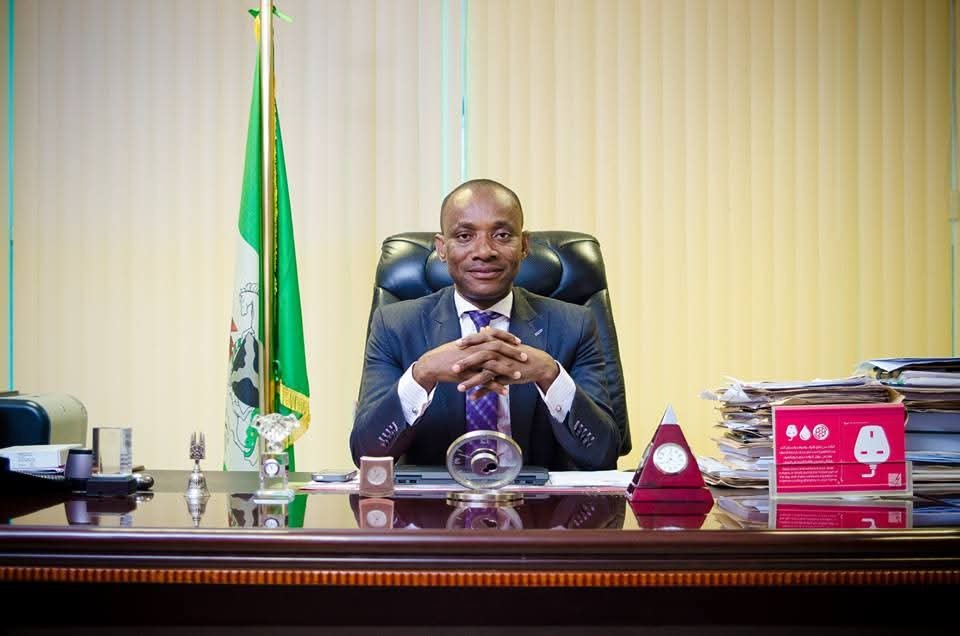
  • UNICAL VC: We Are Proud to Associate with Students Living Christ-Like Lives

    UNICAL VC: We Are Proud to Associate with Students Living Christ-Like Lives


    The Vice Chancellor of the University of Calabar (UNICAL), Prof. Offiong Efanga Offiong, has expressed the University Administration’s pride in associating with students who are committed to living Christ-like lives.

    Prof. Offiong stated this when members of the Joint Christian Campus Fellowship (JCCF), University of Calabar, paid a courtesy visit to the University Management.

    Represented by the Deputy Vice Chancellor, Administration, Prof. Anthony Afam Okiwelu, the Vice Chancellor commended the Fellowship for what he described as taking “the right steps” in promoting positive values among students.

    He said the University Administration was committed to ensuring that students completed their academic programmes within the stipulated period.

    Prof. Offiong noted that Management frowned at cultism, examination malpractice, grade sorting and other forms of academic misconduct, urging the Fellowship to continue to educate and sensitise students against such practices.

    The University helmsman assured the Fellowship of Management’s full support and encouraged its members to remain steadfast in promoting good morals, academic integrity and responsible conduct among students.

    Earlier, the President of the Fellowship, Mr. Etan Mark Obun, said the visit was aimed at appreciating the University Management, identifying with it, seeking counsel and advice, and soliciting its continued support.

    The Fellowship President also highlighted some of the concerns affecting the organisation and appealed to Management to involve members of the Fellowship in solemn assemblies and student orientation programmes.

    He said that such involvement would enable members of the Fellowship to contribute to mentoring newly admitted students and guiding them away from negative influences.

    Public Relations Unit University of Calabar

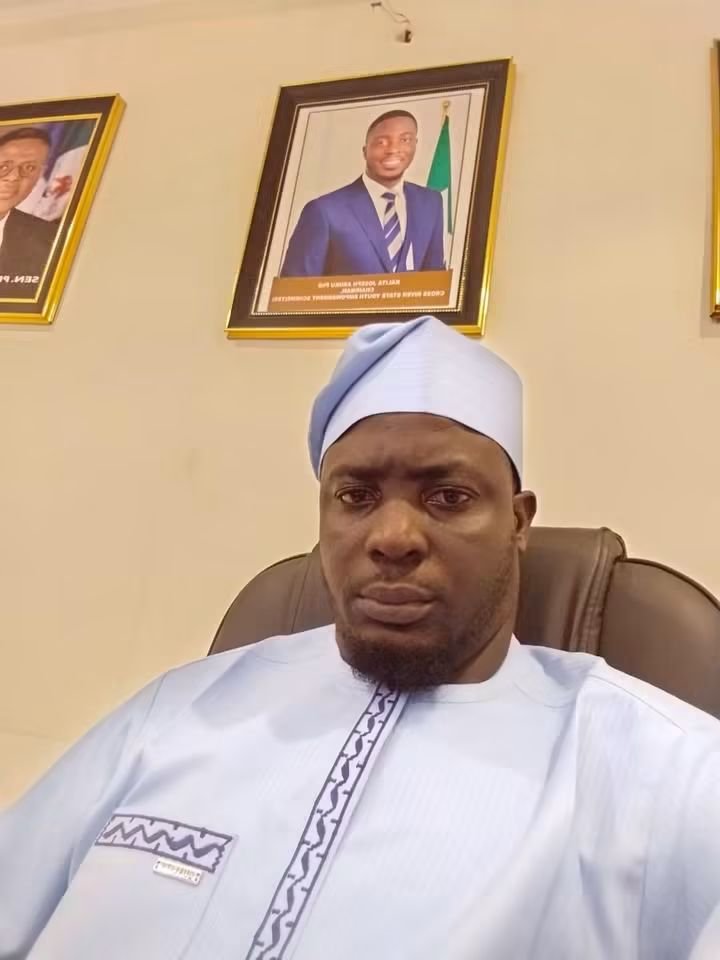
  • Cross River Selects 1,000 Youths for Electric Vehicle Repairs, Maintenance Training

    Cross River Selects 1,000 Youths for Electric Vehicle Repairs, Maintenance Training

    By Admin 

    The Cross River State Government has announced the selection of 1,000 young Cross Riverians for a six-month training programme in electric vehicle repairs and maintenance as well as tricycle coupling.

    The programme, according to the Chairman of the Cross River State Youth Empowerment Scheme, Dr. Kalita Joseph Aruku, is part of efforts by the state government to develop the manpower required to maintain its growing investment in electric mobility.

    Aruku said Governor Bassey Edet Otu had initially approved the training of 100 young Cross Riverians in electric vehicle repairs and maintenance and tricycle coupling.

    However, following strong interest from residents seeking to participate in the programme, the governor directed that the scope of the training be expanded to accommodate more beneficiaries.

    The expanded programme is being implemented in partnership with the Federal Government and Shema Energy.

    According to Aruku, the training, which has an estimated value of more than ₦600,000 per student, will be provided free of charge to all selected beneficiaries.

    The beneficiaries will undergo six months of training and receive a monthly stipend throughout the duration of the programme.

    He also announced that, contrary to the initial arrangement, the training will now be conducted in two locations, Calabar and Ogoja, to make participation more accessible to beneficiaries across the state.

    “Congratulations to all beneficiaries,” Aruku said, while assuring other young people who were not selected that additional empowerment opportunities were being planned.

    “If it has not reached you, it does not mean it has passed you,” he said, adding that another major training programme was in the offing.

    Aruku reaffirmed the commitment of the Cross River State Youth Empowerment Scheme to implementing programmes aimed at equipping young people with relevant technical skills and expanding economic opportunities across the state.

  • UNICAL Senate Suspends Nine Students over Examination Misconduct

    UNICAL Senate Suspends Nine Students over Examination Misconduct


    The Senate of the University of Calabar (UNICAL) has suspended nine students for one academic session following their involvement in examination misconduct.

    The suspension was conveyed in a letter signed by the University Registrar, Dr. (Mrs.) Chukwuka Icha, based on the recommendations of the Senate Examination Misconduct Committee (SEMC).

    According to the letter, the affected students are suspended for the 2026/2027 academic session and are expected to resume their studies in the 2027/2028 academic session.

    The affected students are Ogabi Christabel Emmanuel (20244008945TR), Atim Sarah Mofam (202550738391DF), Wasim Kumato (22/038144152), Onum Kingsley Evela (20255029158HA), and Reuben David Chinonso (202440673839IA), all of the Department of Theatre and Media Studies, Faculty of Arts.

    Others are Etuk Emediong Loius (22/044144044), Department of Human Nutrition and Dietetics, Faculty of Basic Medical Sciences; and Okoronkwo Eleazar Chidera (23/09414032), Department of Geology, Faculty of Physical Sciences.

    Also affected are Atamgba Victor Yeneochiakim (22/045144192), Department of Pharmacology, Faculty of Basic Medical Sciences; and Thialo James Akobi (19/01445039TR), Department of Sociology, Faculty of Social Sciences, University of Calabar.

    The Acting Chief Security Officer, Deans, Heads of Departments, and other relevant units have been directed to take note of the suspension and ensure full compliance with the directive.

    Public Relations Unit University of Calabar

  • C’River Police Denies Cultist Cover-Up, Disciplines Officers Over Viral Video Leak

    C’River Police Denies Cultist Cover-Up, Disciplines Officers Over Viral Video Leak

    The Cross River State Police Command has denied allegations that it is shielding suspected cultists linked to a viral video showing sporadic gunfire from a moving vehicle in Calabar.

    The Command, in a statement signed by its Police Public Relations Officer, ASP Eitokpah Sunday Akata, on Sunday, September 20, 2026, said the suspect arrested in connection with the incident remains in police custody and is undergoing investigation.

    The statement was issued in response to allegations published by the social media handle “Portrait Peterson,” which claimed that the police were attempting to cover up the identities of persons allegedly involved in the incident.

    According to the Command, the arrest of the suspect was not a “formality” or an attempt to divert attention from the allegations.

    Police said the suspect would be prosecuted if investigations establish a prima facie case against him.

    The Command also said it was investigating the identities of two masked persons seen inside the vehicle in the viral footage who were alleged to be police officers.

    It said the suspect had not identified the two individuals, adding that investigators were independently working to determine whether they were members of the police force and, if so, establish their identities, roles and circumstances surrounding their presence in the vehicle.

    The police further disclosed that officers involved in an unauthorised video interview with the alleged suspect, which was subsequently leaked online, had been identified and disciplined in line with established police procedures.

    The Command said it would not protect personnel found to have acted improperly or compromised investigations involving suspected offenders.

    It also urged the operator of “Portrait Peterson” and anyone with credible and verifiable evidence identifying the masked persons or others allegedly involved in related cult activities to submit such information to the police to assist the ongoing investigation.

    The Command reiterated its commitment to tackling cultism and violent crime in Cross River State, stressing that anyone found culpable would face the law regardless of status or affiliation.

    Members of the public were advised to report emergencies or provide security-related information through the Command Control Room on 0706 797 7330 or 0705 335 5415.

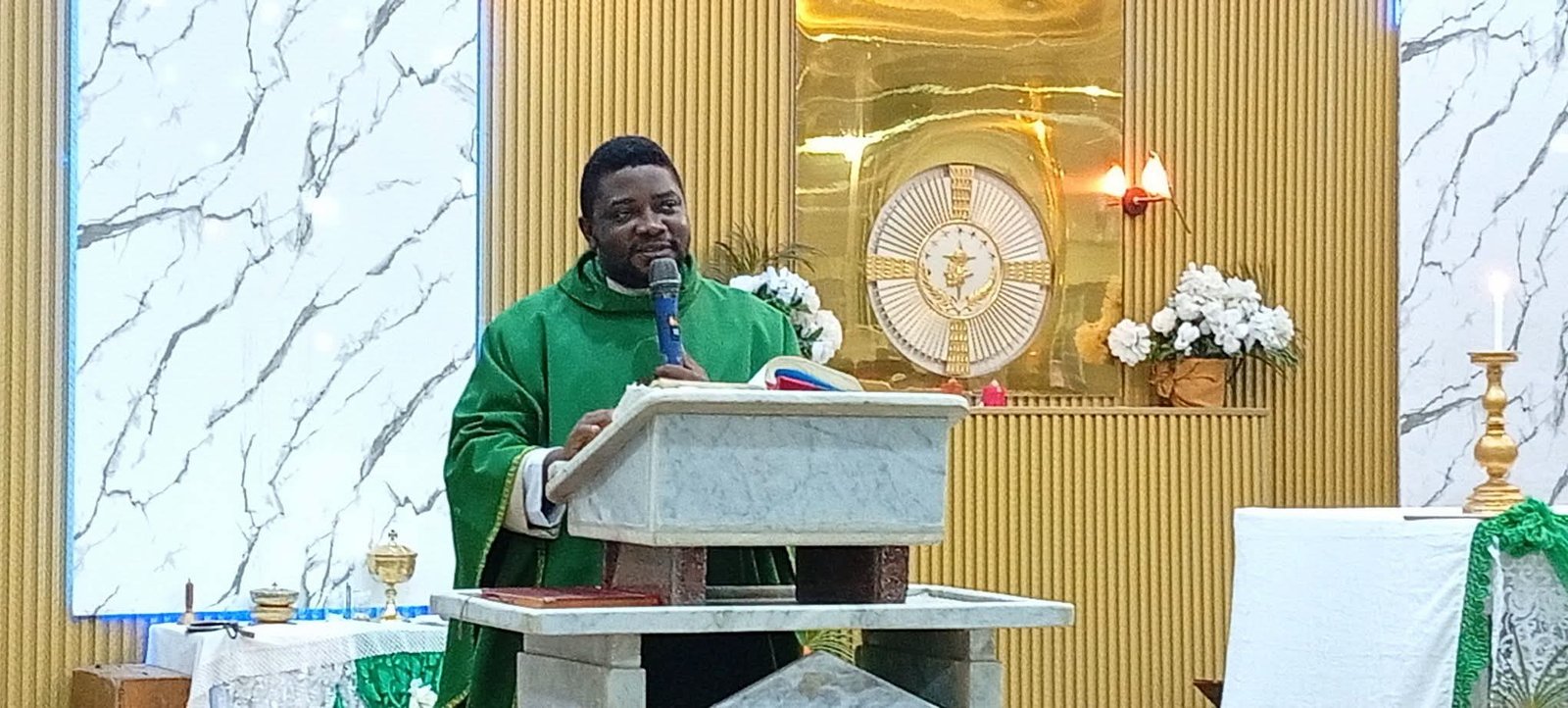
  • Remembering God After Harvest: Being a sermon by Rev Fr Sylverus Ulem During Bakor New Yam Festival

    Remembering God After Harvest: Being a sermon by Rev Fr Sylverus Ulem During Bakor New Yam Festival


    Dear brothers and sisters in Christ,
    Today, we gather as a people of God to celebrate New Yam. But the question we must ask ourselves is: What exactly are we celebrating?

    At Christmas, we celebrate the birth of Christ. At Easter, we celebrate our redemption through His death and resurrection. But when we celebrate New Yam, what are we celebrating?

    We are celebrating God’s faithfulness, God’s providence, and the mystery of God’s blessing in our lives. You plant half a yam, and at harvest, you discover that it has produced many more yams. Who made that possible?

    Since you were born, has anyone ever told you that your ancestors turned one yam into many? No! It is God who gives the increase.

    Some people plant their yams, and others steal them, yet somehow the yam continues to grow. Some even cultivate land that does not belong to them, yet God allows the crops to grow. This reminds us that the harvest is ultimately God’s gift. Therefore, when we celebrate New Yam, we must not celebrate only the yam. We must celebrate the God who gives the harvest.

    In the first reading from the Book of Deuteronomy, God reminds His people that when they enter the land and enjoy its abundance, they must not forget Him.

    The message is simple: when God blesses you, remember God. And one of the best ways of remembering God is by remembering the people around us.

    The Scripture tells us to give to those who have nothing. We are all created in the image and likeness of God. Therefore, when we share with one another, we honour the God whose image we bear. There are widows among us. There are orphans among us. There are families who have little or nothing to celebrate today.

    So, as we celebrate the harvest, let us look around us. Who needs something from my harvest? Who needs my help. Who needs my food. Who needs my kindness? If we truly remember God, we cannot forget our brothers and sisters.

    The second reading reminds us of an important truth: one person may plant, another may water, but God gives the increase.

    Therefore, we must not become proud because of what we have achieved. You planted, but God gave the growth. You worked, but God gave you strength. You struggled, but God opened the way. You harvested, but God made the harvest possible.

    That is why St Paul encourages us to share generously. We should not give only when it is convenient. We should also remember those who have nothing. The true meaning of harvest is not simply “I have enough.” The true meaning of harvest is: “God has given me enough to share.”

    Finally, Jesus gives us the parable of the rich fool. The man had a great harvest. His land produced abundantly. But instead of asking, “Who can I help?”, he asked, “What shall I do?”

    Then he said: “I will pull down my barns and build larger ones. There I will store all my grain and my goods.” Notice something very important about this man. Throughout the passage, there is hardly any “we.”

    It is all about “I.” My harvest. My barns. My goods. My grain. My wealth. My future. He forgot his family. He forgot his neighbours. He forgot the poor. He forgot God. His problem was not that he had a good harvest. His problem was that he had a good harvest but a bad heart. His harvest became an opportunity for selfishness instead of an opportunity for generosity.

    He thought that because he had accumulated enough, his life was secure. But God said to him: “You fool! This very night your life is being demanded of you.” Then comes the great question: All the things you have prepared, for whom will they be?

    The rich man committed what we might call the sin of “I.” He lived as though everything revolved around him. “I will build.” “I will store.” “I will keep.” “I will enjoy it.” But where was “we”?

    This is the danger of prosperity. Sometimes, when God blesses us, we forget that we are blessed for a purpose. God does not give us abundance simply so that we can build bigger barns. He gives us abundance so that others can experience His goodness through us. Therefore, my dear brothers and sisters, as we celebrate New Yam today, let us not become like the rich fool.

    After the harvest, may we not forget God. After the harvest, may we not forget our parents. After the harvest, may we not forget our brothers and sisters. After the harvest, may we not forget the widows. After the harvest, may we not forget the orphans. After the harvest, may we not forget the poor. After the harvest, may we not forget those who helped us along the way.

    And above all, may we never forget the God who gave the increase. May our harvest become a blessing to others. May our homes have enough to share. May our communities become stronger because of our generosity. And when God looks at our lives, may He never find us foolish because of our selfishness.

    May God bless our harvest. May God bless our families. May God bless those who have little or nothing. And may God give us generous hearts that never forget Him after the harvest.

    Amen.

  • God’s Own Calculator: Being a Sermon by Rev Fr Sylverus Ulem

    God’s Own Calculator: Being a Sermon by Rev Fr Sylverus Ulem


    Dear brothers and sisters in Christ,
    One thing that is clear, obvious and certain is that God does not share in our calculation. God’s calculator is always different from our calculator.

    Sometimes, we are too quick to conclude. We have already arrived at the answer and are ready to put the total, but God is still calculating. We conclude that something is finished, while God is still working. We conclude that a person has failed, while God is still writing the person’s story. We conclude that God has forgotten us, while God is still calculating.

    Dear people of God, this is one of the reasons why we sometimes go against God or fail to recognise Him when we need Him most: God does not calculate the way we calculate.

    One of the funniest things about human beings is that we like to calculate everything. Even those who failed mathematics calculate everything. We calculate how to survive. We say, “I have this amount of money. I will use this much for this, manage this much for that, and hopefully I will still have something left to cook.”

    Sometimes, we even calculate God’s goodness. We see someone and say, “God has really blessed this person.”
    We see another person and say, “God does not seem to bless this one.” But who gave us the calculator with which we measure God’s blessings?

    The first reading today has settled the matter: “My thoughts are not your thoughts, neither are your ways my ways, says the Lord.” When you begin to place God according to the limits of your thoughts and standards, God often surprises you because He is not using your calculator.

    Sometimes we calculate who has suffered more, who arrived first, who has served God longer, who has prayed more, and who therefore deserves to be rewarded more. We even look at people’s outward religious practices and begin to calculate their relationship with God.

    Someone carries a rosary, a crucifix and a prayer book, and we say, “This person must be very prayerful.” You enter somebody’s room and see an altar beautifully arranged with Mary, angels, candles and other religious objects, and immediately you conclude, “This person must really be close to God.”

    That is human calculation. Sometimes, even our prayers become like an application submitted to the Human Resources Department. We pray and say, “Lord, I have been doing this for three months. By the end of these three months, I must receive this particular thing.” We begin to calculate our prayers, our sacrifices and our service to God as though we are negotiating a contract with Him.

    But the readings of today invite us to confront one divine truth: The operational system of God is different from our own. That is the painful truth that all of us must realise today. The prophet Isaiah tells us: “My thoughts are not your thoughts, neither are your ways my ways.”

    This statement challenges our entire understanding of God. We want God to behave according to our understanding of fairness. We think justice means giving everyone exactly what we think they deserve. But God’s justice and judgement are rooted in His own ways.

    Look at the forgiveness of God. We forgive, but sometimes we keep the incident in our mental archive. We say, “I have forgiven you,” but we remember the date, the time, the place and everything that happened! But when God forgives, He does not continue calculating the offence against us. That is the greatness of God’s mercy.

    The readings of today are also very important for us in Nigeria. Human beings can easily write people off.

    A person fails examinations and comes from a poor background, and we immediately begin to calculate the person’s future. We say, “This one will not amount to anything.” But God does not calculate that way.

    There are people who did not succeed academically, people who did not pass their examinations, yet they followed a politician who appointed them as councillors. Before you know it, they became chairmen. And you who succeeded academically are still struggling.

    Some of the people you go to visit on Christmas Day may not have certificates, yet they are the ones feeding you. You are praying with your certificates, while you are still looking for a job. When you were growing up, you had already calculated how your life would be. You thought you would become this, achieve that and arrive before somebody else. But life has a way of reminding us that God is the one holding the calculator.

    The person you thought would never succeed may surprise you. The person you thought would never survive may still be standing. The person you thought had no future may become a source of blessing to others.

    The God revealed to us in Scripture is constantly calling people back to Himself. Mary was not chosen because she had achieved everything according to human standards. The apostles were not selected because they had perfect CVs. God has a habit of surprising people. Why? Because His ways are not our ways, and His thoughts are not our thoughts.

    Some of us have looked at people in the hospital and, from what we saw, concluded that they might not survive. But God surprised us. They are alive and are even worshipping with us today. Some of us see the mistakes of others and begin to behave as though those people are no longer human beings. But remember, “My ways are not your ways. My thoughts are not your thoughts.”

    St Paul, in the second reading, teaches us something very important about living for Christ. Our lives must ultimately be directed towards Christ, not towards comparison with other people.

    Then Jesus gives us the parable of the workers in the vineyard. Some workers came in the morning, while others came later in the day.

    Imagine, as a priest, I go to the junction in the morning and hire workers. Then I return in the evening and hire another group. At the end of the day, I pay everybody the same amount. If I pass that same junction the next day, they will call me many names!

    But Jesus is showing us something deeper. This parable exposes a lot about us. Sometimes we feel that our reward from God should depend on how long we have been serving Him. Some people believe that because they have spent many years in the Church, they should have a special chair in the Church. We calculate our years of service. We calculate our sacrifices. We calculate our prayers. We calculate our contributions. And then we begin to calculate what God owes us.

    But something very important happens at the end of the parable. Jesus asks. “What is wrong with me giving the last person the same amount I gave you? Do I not have the right to use what belongs to me?” That is the question God is asking us today. Why are you angry because I have blessed someone else? Why are you disturbed because another person received what you were expecting? Why do you think another person’s blessing reduces your own?

    My dear brothers and sisters, Jesus exposes something important in us. We are interested in comparative advantage. We are happy when something good happens to us. But when the same good thing happens to somebody else, we become jealous. We compare the blessings of God. We compare our marriages. We compare our children. We compare our jobs. We compare our houses. We compare our achievements. We compare our progress. And sometimes, without saying a word, we can even pray for somebody’s downfall.

    That is why the Gospel reading invites us to stop measuring our lives against the lives of other people. Stop comparing yourself with other people. Whatever God has given you, manage it well. Be grateful for it.

    Many people are suffering today because they began with the life that was theirs, but later they started measuring their lives against somebody else’s life. They saw another person’s house. Another person’s car. Another person’s marriage. Another person’s children. Another person’s success. And suddenly, their own blessing no longer looked like a blessing.

    Dear brothers and sisters, nobody can collect what belongs to you. What God has destined for you does not become yours by comparing yourself with another person. So stop distracting yourself with the blessings of others. Celebrate when another person succeeds. Celebrate the joy of others without interpreting their joy as your own loss. If God blesses somebody today, it does not mean that God has forgotten you. If someone arrives before you, it does not mean that your journey has ended. If somebody receives something before you, it does not mean that God has cancelled your own portion. Remember, God is still calculating.

    Let us therefore seek the Lord while He may be found. Let us trust His ways. Let us surrender our calculations to Him. Let us learn to celebrate the joy of others without seeing it as our own loss. Let us stop comparing ourselves with one another. And let us remember that the calculator of God is not the calculator of man.

    May God help us to become what He truly wants us to be. May He give us the grace to trust His timing, accept His ways, rejoice in the blessings of others, and never depart from His path.

    Amen.

    Compiled By Elijah Ugani

  • God Is Love: Understanding His Mercy, Forgiveness and Generosity BY PETER OBELE ABUE

    God Is Love: Understanding His Mercy, Forgiveness and Generosity BY PETER OBELE ABUE


    Some people are not comfortable with the G.O.D. of love. They prefer the god of revenge and punishment for their enemies etc. Because they work hard and keep the law scrupulously, they believe every good deed is put down as a merit for them in heaven. They belive other people who are not as good as them should receive nothing good from God. This is not about taking God for granted or encouraging tolerance for evil,. This is about belief in a God that is free to love or forgive whom He wants especially those who turn around and repent. That’s why he is the God of love. Even Jesus himself addresses this in the gospels when he said to the workers in the vineyard who complained about his generosity: “My friend, I am not cheating you… take what is yours and go… Am I not free to do as I wish with my own money? Are you envious because I am generous?” (Mt 20:1-16)

    The Babylonians in exile had this kind of false image of God as a punisher of evil and Isaiah told them in very plain language that they were wrong and needed a conversion of heart. This time it was not a conversion from sin and corruption, but a radical change from their myopic way of looking at God. “Let the wicked forsake his ways and the unrighteous man his thoughts. I will abundantly pardon you, for my thoughts are not your thoughts, neither are my ways your ways, says the Lord.” Abraham our father in faith was called while he was still a pagan. David was forgiven while he was at his worst sin of adultery and murder. Moses, who murdered an Egyptian while defending his people, was still called to lead his people.

    It’s time we realized that our God is a generous God, even as we still believe he does not tolerate sin. He is not our business partner; he is not an accountant who is there to record our deeds in order to pay us according to our merits. A dog is the only creature you can train to obey you and work in accordance to your dictates; not God. Seriously, we merit nothing from God; we can only receive forgiveness, generosity, love, and indeed salvation from him. It’s time we begin to change our mentality of the God we serve and treat him like a G-O-D not a D-O-G.

    Fr. Peter Abue

    Disclaimer: The opinion expressed in this article is strictly that of the author, Rev Fr Peter Obele Abue PhD, and does not represent Theluminenews, its agent or the organisation the author works for/with.